

Hidden Side Effect of Weight-Loss Drugs & Its Solution

Weight-loss medications such as Ozempic, Wegovy, and Mounjaro are widely used because they reduce hunger. if you eat a lot less, you may also be depriving your body of essential vitamins, minerals, and protein. Some people using these drugs may experience nutrient deficiencies and health problems such as weariness, decreased immunity, muscle loss, and more if they don’t eat the correct foods. Hidden Side Effect of Weight Loss Drugs and Its Solution explains how these medicines may cause nutrient deficiencies and what you can do through proper diet and medical guidance to stay healthy.
Consequently, dietary habits become even more important when taking certain medications, and seeking advice from medical professionals is crucial.
Why Do These Medicines Work So Well?
Ozempic and Wegovy are members of the class of drugs known as GLP-1 medicines. They imitate GLP-1, a hormone your body naturally generates that alerts your brain when you’re full.
Consequently:
- You feel satisfied more quickly.
- You don’t always feel hungry, so you eat less.
- Your calorie consumption decreases dramatically.
They quickly altered the rules of weight loss.
Nutrient Deficiencies: The Hidden Issue
This is when things become complicated.
Reduced Food = Reduced Nutrition
Eating less may reduce intake of essential nutrients as well as calories.
It is simpler to undereat when your plates are smaller:
- Vitamins (like A, C, D, E)
- Minerals (like iron, magnesium, potassium)
- Protein
- Fibre
People usually return to eating more “normal” amounts and replenish nutrient deficiencies after dieting. However, GLP-1 medications can suppress hunger for months or longer, raising the possibility of persistent shortages rather than merely short-term ones.
Serious Health Risks Associated with Deficiencies
If your body continues to lack vital nutrients, it may result in:
- Loss of muscle
- Low immunity
- Low iron causes anaemia.
- Bone issues
- Weakness and exhaustion
- Rarely, neurological problems (such as vitamin B1 insufficiency)
Hair loss, weakness, and fatigue are examples of minor symptoms that may go unnoticed until the condition worsens.

Muscle Matters in addition to Nutrition
Many people don’t realize how important protein is when trying to lose weight. A person who loses weight loses muscle mass in addition to fat. That muscle is protected by protein.
Insufficient protein:
- Muscle shrinks
- Strength decreases
- Mobility and balance could deteriorate
- Over time, metabolism may slow down.
This means that if you’re taking these medications, both protein-rich foods and exercise, especially resistance training, are crucial.
Why Is Guidance Important and Frequently Missed?
Not only can dietary deficits occur, but many individuals on weight-loss medications do not receive adequate nutritional guidance or assistance. Health professionals aren’t always providing patients with the necessary assistance, according to experts:
- Select foods high in nutrients.
- Eat enough protein
- Eat less while maintaining a balanced diet.
This is a missed opportunity to promote long-term health rather than merely temporary weight loss.
What Should You Pay Attention to?
Here are some recommendations from professionals if you are using or thinking about using these medications:
1. Give Nutrient-Dense Foods Priority
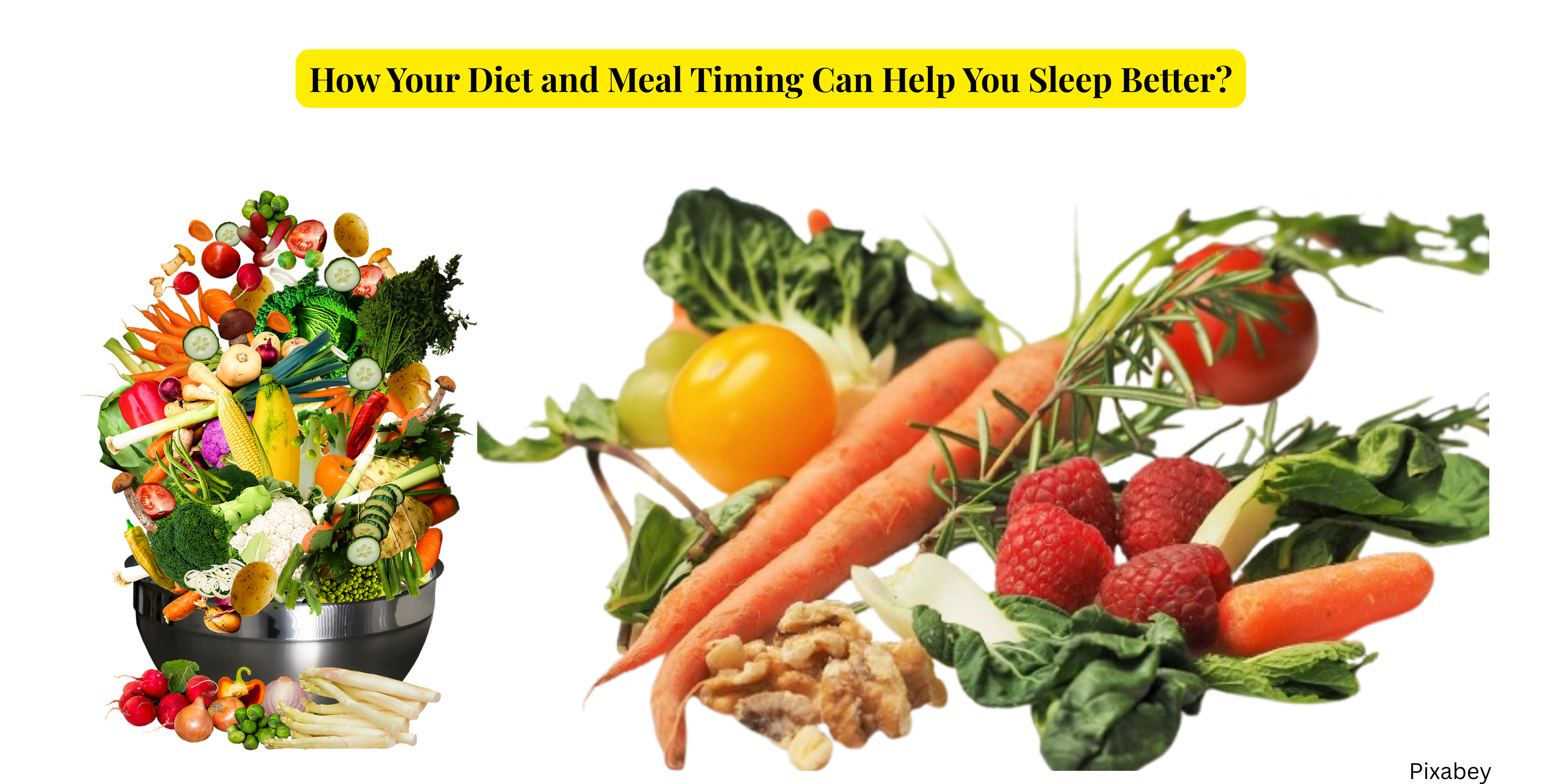
Select foods that are nutrient-dense in every mouthful, such as
- Lean proteins, such as lentils, chicken, and eggs
- Fruits and vegetables
- Whole grains
- Seeds and nuts
- Fortified or dairy substitutes
2. Prioritise Protein
Even when appetite is low, protein supports muscle maintenance and promotes overall health.
3. Make Wise Meal Plans
Smaller meals must still be considered. Fiber, vitamins, and minerals should be a part of every meal, not just for fewer calories.
4. Collaborate with Medical Experts
Meeting your nutrient needs is safer and easier when dietitians and nutritionists can customise advice for you.
Conclusion
Drugs for weight loss can help you along the way, but they are not a quick fix for health. Reducing one’s diet should never result in the loss of vital nutrients. The key to remaining healthy while losing weight is to concentrate on eating nutrient-dense meals, getting enough protein, and following the right advice. Ultimately, eating wisely is just as important as losing weight.
FAQ
1. Do weight-loss medications significantly lower appetite?
Indeed, these medications cause you to feel fuller more quickly and have a considerably lower appetite, which results in eating much less.
2. Can vitamin deficits be brought on by weight-loss medications?
They may, particularly if eating less results in consuming less fiber, protein, vitamins, and minerals.
3. When using these medications, which nutrients are most frequently overlooked?
Many times, people don’t eat enough protein, iron, calcium, vitamin D, B vitamins, fiber, and important minerals.
4. How can I maintain my health while taking medicine to lose weight?
For balanced nutrition, concentrate on nutrient-dense foods, give protein first priority, drink enough of water, and consult a physician or nutritionist.
Written by [Ketan Borada / British Portal Team] – Founder of British Portal, dedicated to providing accurate and up-to-date information on UK public services and benefits.Related Posts


Stay Informed With the Latest & Most Important News
Previous Post
Next Post


- Business
 5
5 - Cricket5
- Department for Education49
- Departments3
- Driving and Transport
 53
53 - Education45
- Finance6
- Football13
- Golf3
- Government
 108
108 - Guides1
- Health
 5
5 - Health4
- International Politics9
- Law and Justice31
- Money and Tax23
- National Politics4
- News67
- Politics6
- Sports38
- Technology5
- Tennis3
- Transportation4
- Uncategorized4
- Visa
 17
17 - Visas and Immigration
 24
24 - Weather1